Grading and Excavation Experts
From trenching and prep work to full scale grading and drainage installation we build solid ground from the bottom up.
Excavation Services
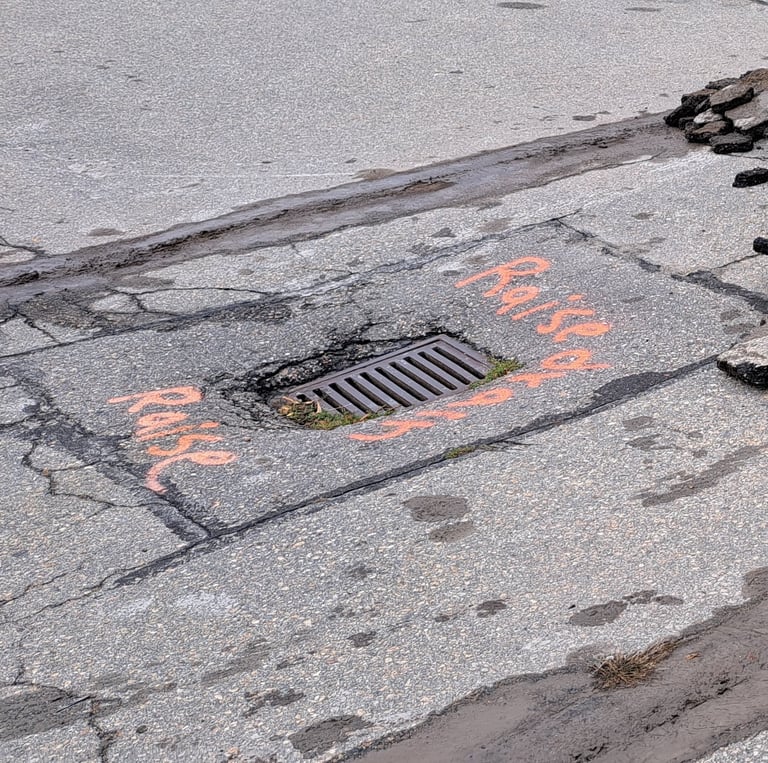
Trenching, overburden removal, catch basin installs, and all the prep work your project needs done clean, safe, and to spec.
We regrade and rebuild sub-base layers for driveways, parking lots, and commercial pads. Proper compaction, drainage slopes, and finish grades.
Once the ground is shaped right, we install drainage pipe, concrete catch basins, and channel drains to handle runoff.
Site Grading & Base Prep
Drainage Installation
We excavate, grade, and install drainage systems that last. Serving residential, commercial, and agricultural sites across the Shuswap and Okanagan.
✅ Fully Insured
✅ Reliable Equipment & Operators
✅ Honest, On-Site Quotes
Solid Ground Starts with Smart Excavation
We specialize in precise excavation and grading that supports long lasting drainage solutions. Whether you’re building a driveway, repairing a parking lot, or fixing runoff issues on a farm, we shape the land for proper performance.
Residential • Commercial • Agricultural
150+
15+
Local Partners & Clients
Projects Completed
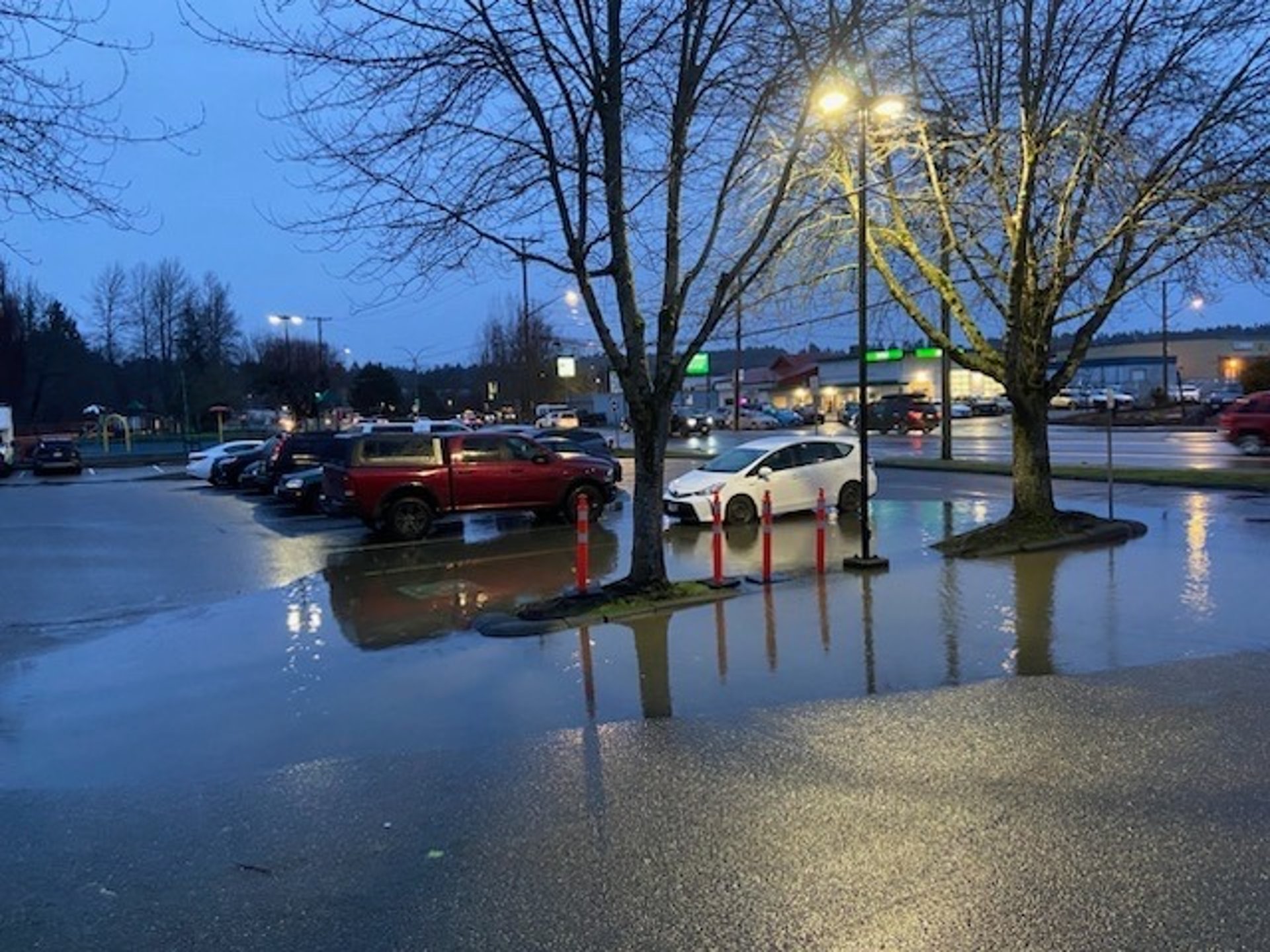
Full-Service Excavation, Grading & Drainage
From excavation to catch basin installation, we prepare, shape, and finish your site with the right slope and structure for safe, effective water flow.
Grading & Sloping
We regrade uneven or sinking surfaces to restore function and redirect runoff. Whether it's fixing a problem or preparing a fresh build, we get the grade right.
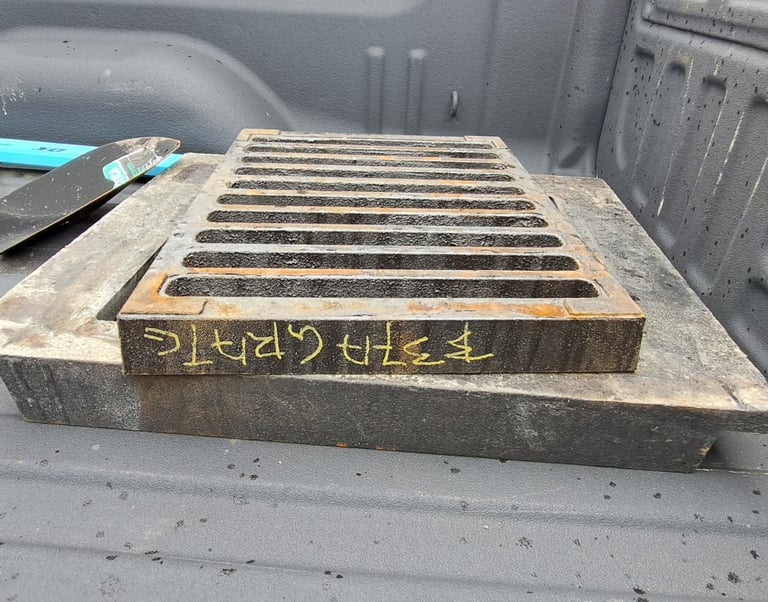
Catch Basins & Drainage Installation
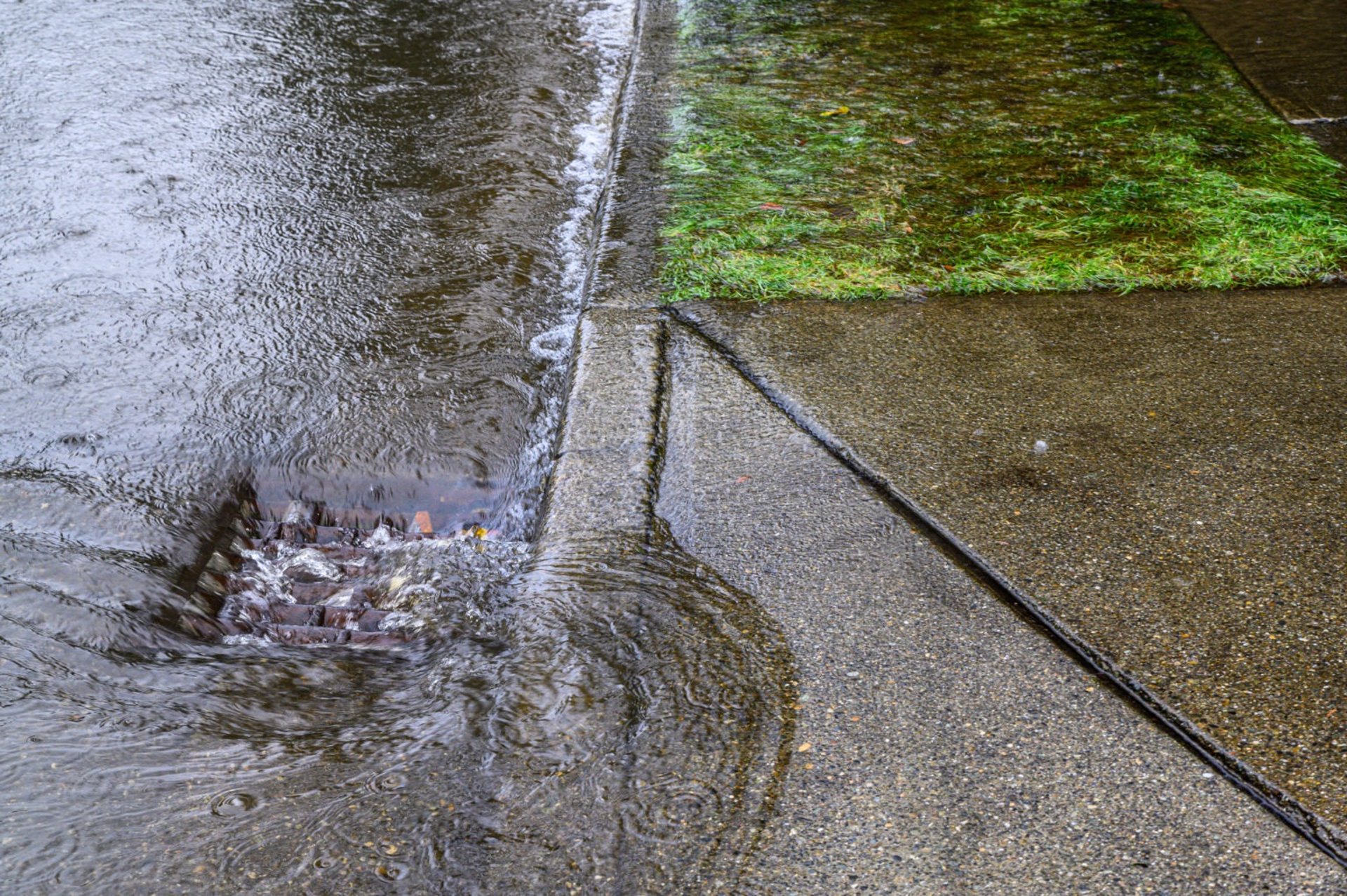
We install residential and commercial drainage systems including trench drains, large concrete catch basins, and buried pipe, routing water safely away from your property.
Excavation & Site Prep
We handle trenching, subbase removal, and grading prep for proper drainage and long-term stability. Ideal for driveways, parking lots, and new construction.
The 8 things that every homeowner ought to know about grading and drainage
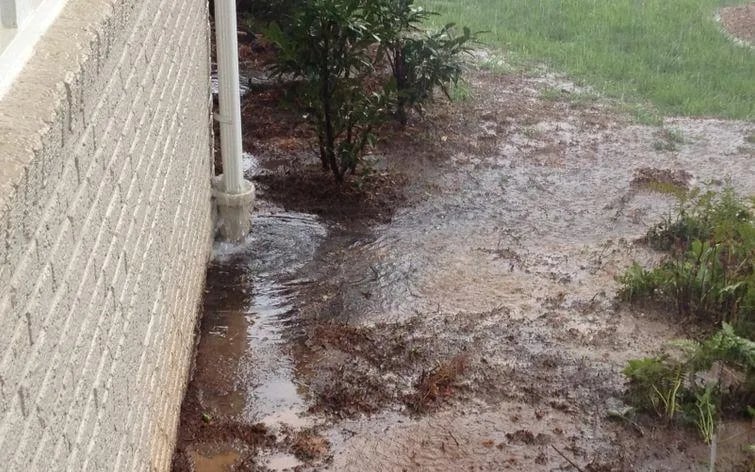
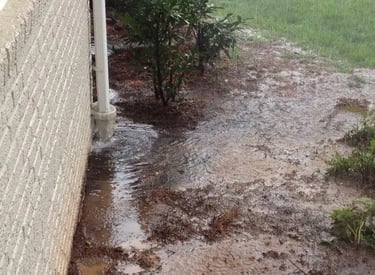
1.) Water Should Always Flow Away from Your Foundation
Proper grading prevents water from pooling near your home, reducing the risk of basement leaks and structural damage.


2.) A 2% Slope is the Minimum Standard
The ground around your home should slope away at least 2% (about 1/4" per foot) for the first 5–10 feet.


3.) Flat or Reverse Slopes Are a Red Flag
If your yard is flat or slopes toward your home, water can infiltrate your foundation over time.
4.) Standing Water is More Than a Nuisance
Pooling water can lead to foundation cracks, mold growth, soil erosion, and pest infestations.
→
→
5.) A Dry Well Can Solve Subsurface Drainage Issues
When and Why to Use a Dry Well
A dry well is typically used when other drainage options aren’t available or practical. In an ideal setup, stormwater would be directed to a storm drain, ditch, or over a natural slope to a lower part of your property. But sometimes, that just isn’t possible.
You might need a dry well if:
There’s no storm drain tie-in nearby
Your yard sits lower than the road, so water can’t flow out naturally
The soil is heavy clay, meaning it doesn’t drain well on its own
A catch basin can’t be installed to redirect water over a slope or through a proper outlet
In these situations, a dry well becomes a smart and effective way to manage water. It captures runoff underground and allows it to slowly soak into the surrounding soil, reducing surface pooling and keeping water away from your foundation.
6.) Driveways and Walkways Shouldn’t Trap Water
Hard surfaces like driveways and walkways should be designed to shed water, not hold it. When these areas are improperly sloped or settle over time, they can create low spots where water pools, leading to surface cracking, erosion, and even seepage into your foundation.
Ideally, these surfaces should slope slightly away from your home and direct runoff toward a safe drainage point. If water is collecting near your garage, entryway, or along a sidewalk, it’s a sign that your grading or drainage needs attention. Fixing it now can prevent bigger problems down the road.
7.) Clay and Sandy Soils Drain Differently
Not all soil handles water the same way. Clay soil is heavy and compact, which means water tends to sit on the surface or drain very slowly, often leading to soggy lawns, pooling, or foundation issues.
Sandy soil, on the other hand, drains quickly but can allow water to move too fast, carrying away nutrients and causing erosion.
If your drainage system doesn’t account for your soil type, it might fail when you need it most. That’s why every grading or drainage plan should start with a proper understanding of what’s beneath your feet.
8.) Gravel and Sandy Driveways Are Prone to Erosion
Unpaved driveways made of gravel or sand may seem cost-effective, but without proper grading and drainage, they often erode over time.
Rainwater and runoff can wash the surface material downhill or off to the sides, carving out ruts and troughs that make driving rough and messy. These low spots can fill with water, accelerate wear, and are difficult to repair once they form. In some cases, especially on steep slopes or high-traffic areas, paving is the only long-term solution. It provides a stable, durable surface that resists erosion and keeps your driveway functional and looking clean year-round.
However, if paving isn’t in the current budget, using a larger fractured stone surface instead of fine gravel can help slow erosion and make the driveway last longer. Larger stones resists movement, drains better, and provides a more durable driving surface that holds up better in wet weather.
"drainbrains provided fast and professional service, quickly diagnosing and fixing our parking lot drainage issues. I highly recommend their team for any excavation or drainage repair!"
Joe Henderson


★★★★★
Services
Full service excavation and grading services
Contact
About
info@drainguys.ca
250-308-9060
© 2025. All rights reserved.